
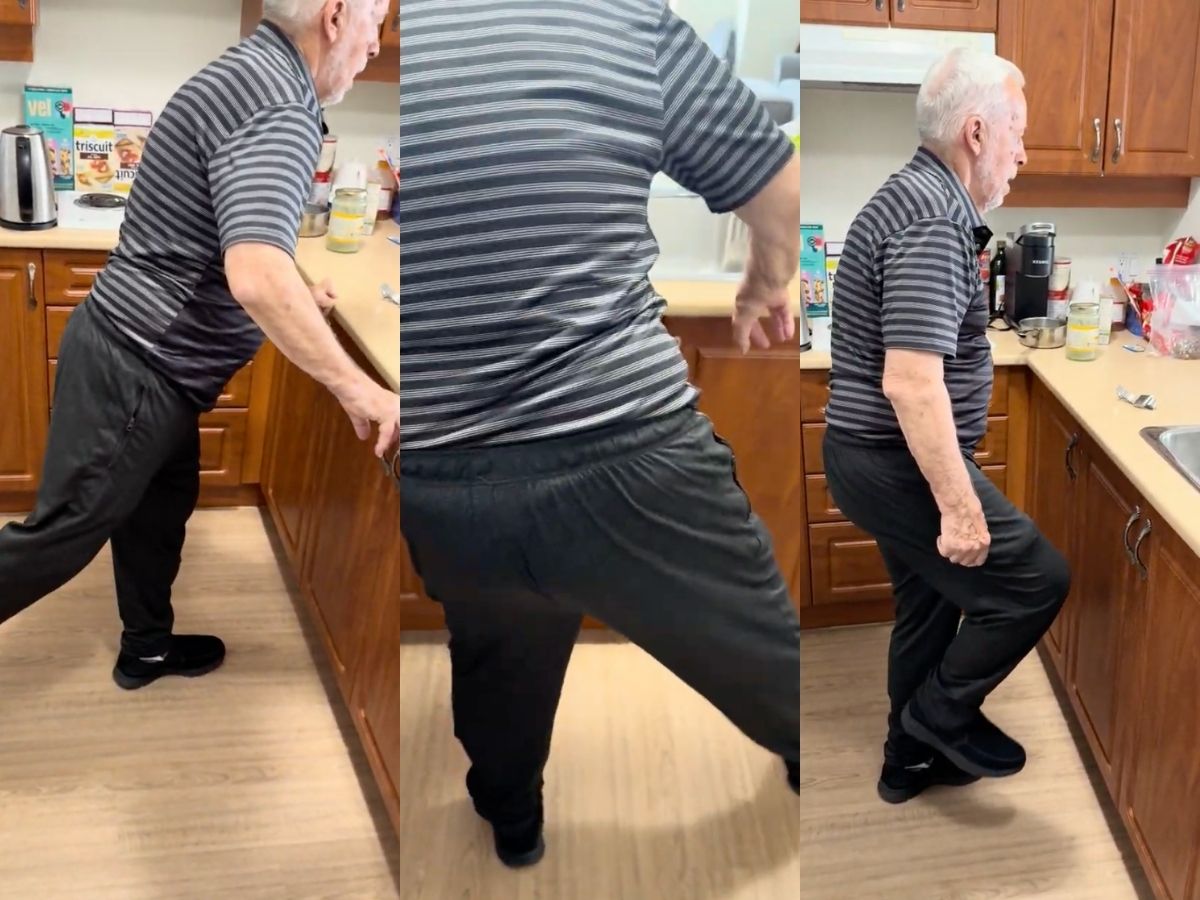
Learn how hip abduction, extension, and flexion exercises may support movement and strength after hip surgery. FisioMed Mobile Clinic provides in-home physiotherapy in Surrey, Langley, White Rock, Delta, and Richmond.
Hip Exercises After Surgery: Rebuilding Strength and Movement at Home
Hip surgery is only the beginning of the recovery process. After surgery, pain, weakness, reduced mobility, and temporary activity restrictions can make everyday movements more challenging.
Physiotherapy may play an important role in gradually rebuilding movement, strength, and function. Depending on the type of surgery and stage of recovery, a rehabilitation program may include exercises that move the hip in different directions.
Three movements that may be incorporated into post-surgical hip rehabilitation are hip abduction, hip extension, and hip flexion. Each works on different aspects of hip movement and strength that contribute to everyday activities.
However, recovery is highly individual. The appropriate exercises, range of motion, resistance, and progression should always reflect the type of surgery, surgical precautions, weight-bearing status, symptoms, and instructions provided by the surgeon or physiotherapist.
Why Is Hip Strength Important After Surgery?
The muscles surrounding the hip contribute to many movements we perform throughout the day. They are involved when standing, walking, changing direction, getting out of a chair, and moving the leg in different directions.
After surgery, strength and movement may be reduced because of pain, swelling, healing restrictions, and decreased activity.
A rehabilitation program can gradually address these limitations while working toward the functional activities that are important to the individual.
The goal is not simply to make the hip stronger. The goal is to help that strength and movement carry over into everyday function.
Hip Abduction After Surgery
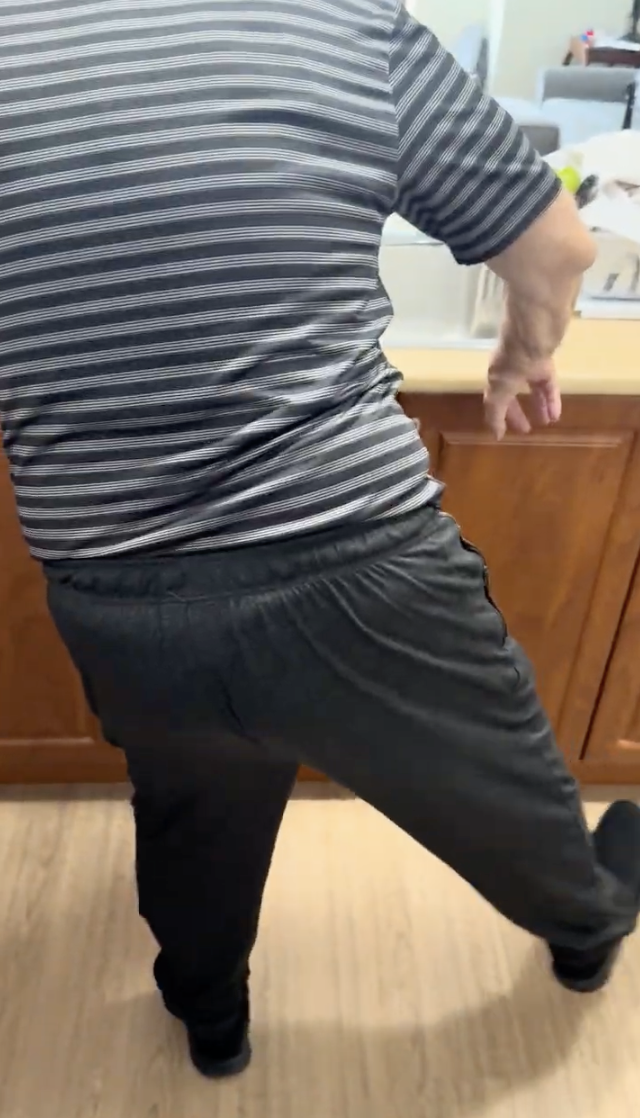
Hip Abduction After Surgery
Hip abduction involves moving the leg away from the body’s midline.
The muscles responsible for this movement also contribute to controlling the pelvis and supporting side-to-side stability during functional activities.
When appropriate after surgery, hip abduction exercises may be included to gradually rebuild this strength and control.
How it may support recovery
Hip abduction exercises may help work on:
- Hip muscle strength
- Side-to-side stability
- Pelvic control
- Standing activities
- Functional mobility
The exercise should be performed within the range and level of resistance recommended for the individual’s stage of recovery.
Hip Extension After Surgery
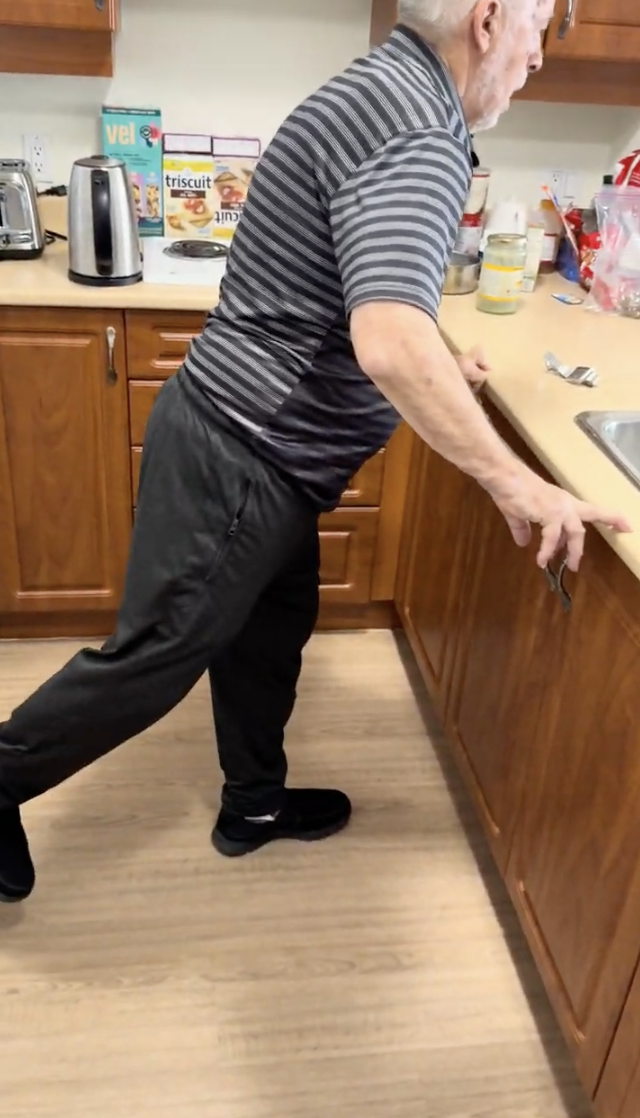
Hip Extension After Surgery
Hip extension involves moving the thigh backward relative to the body.
The muscles involved in hip extension contribute to many functional movements, particularly standing and walking.
After surgery, exercises targeting hip extension may be used to gradually restore strength and controlled movement as appropriate.
How it may support recovery
Hip extension exercises may help work on:
- Hip and lower-body strength
- Standing control
- Walking-related movement
- Functional mobility
- Everyday movement capacity
Avoid forcing the hip farther than is comfortable or permitted by your post-surgical precautions.
Hip Flexion After Surgery
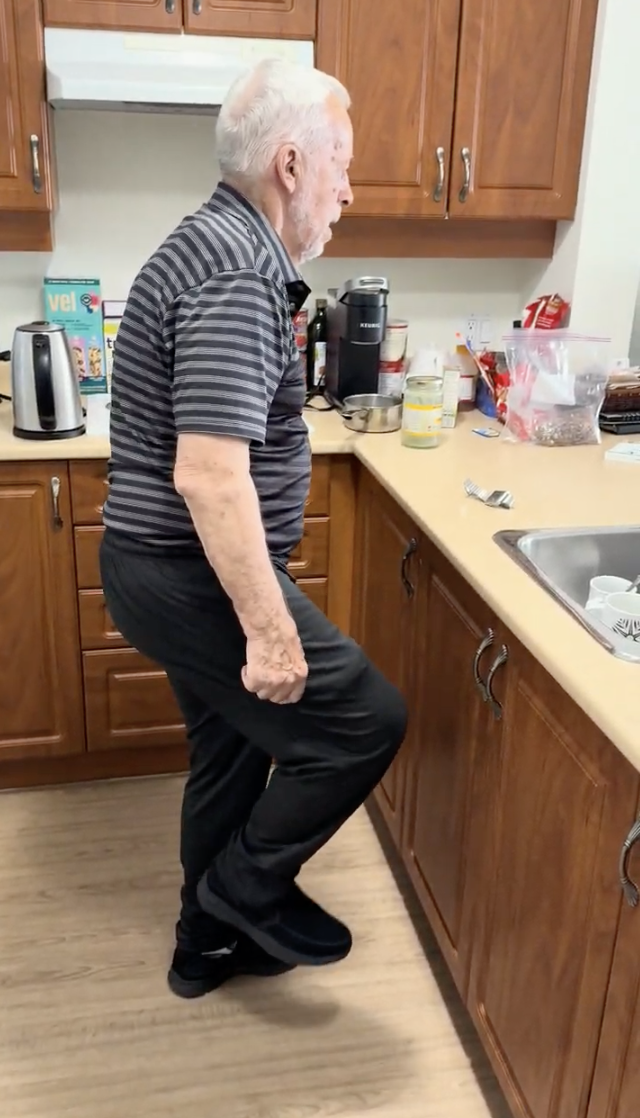
Hip Flexion After Surgery
Hip flexion occurs when the thigh moves toward the front of the body.
We use hip flexion during many everyday activities, including walking and positioning the leg during functional movement.
Depending on the surgery and precautions, controlled hip-flexion exercises may be incorporated into rehabilitation to gradually restore movement and strength.
How it may support recovery
Hip flexion exercises may help work on:
- Controlled hip movement
- Functional mobility
- Leg movement during walking
- Movement needed for daily activities
Some hip surgeries may involve specific restrictions on how far the hip should flex during certain stages of recovery. Always follow the precautions provided by your healthcare team.
How Should Hip Exercises Progress After Surgery?
There is no single progression that is appropriate for everyone after hip surgery.
One person may initially need gentle movements with minimal resistance, while another may be ready for more challenging strengthening exercises. Progression may involve adjusting:
- Range of motion
- Number of repetitions
- Resistance
- Exercise position
- Amount of support
- Complexity of the movement
- Functional demands
Progress should be based on the individual’s healing, symptoms, strength, mobility, surgical precautions, and rehabilitation goals rather than simply increasing difficulty as quickly as possible.
Common Mistakes to Avoid During Hip Rehabilitation
Progressing too quickly
More difficult exercise does not automatically mean better rehabilitation. The tissues need appropriate time to heal, and progression should reflect the individual’s stage of recovery.
Ignoring surgical precautions
Different hip procedures may come with different movement or weight-bearing restrictions. Follow the instructions provided by your surgeon and physiotherapist.
Forcing the range of motion
Exercises should not be pushed beyond the range that has been recommended for you.
Focusing only on the hip
Recovery may also involve working on walking, balance, endurance, transfers, and other functional movements depending on the individual’s needs.
Comparing your recovery with someone else’s
Recovery timelines vary. The appropriate program for another person after hip surgery may not be appropriate for you.
When Should You Seek Professional Guidance?
Post-surgical rehabilitation should reflect the specific procedure and instructions provided by the surgical team.
Speak with your surgeon, physician, or physiotherapist if you are uncertain about which exercises you should perform, how much weight you can place through the operated leg, or when you should progress your activities.
Seek appropriate medical attention if you experience new or concerning symptoms during recovery.
From Hip Exercises to Everyday Movement
Hip abduction, extension, and flexion exercises can work on different aspects of movement and strength, but rehabilitation should not stop with isolated exercises.
As recovery progresses, the program may also incorporate functional activities such as:
- Sit-to-stand practice
- Walking
- Turning
- Stair practice
- Balance activities
- Transfers
- Increasing endurance
- Returning to meaningful everyday activities
The aim is to gradually translate improvements in strength and movement into the activities the person wants and needs to perform.
In-Home Post-Surgical Physiotherapy in Surrey, Langley, White Rock, Delta, and Richmond
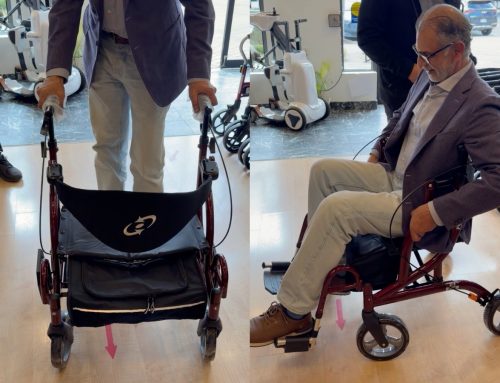
Travelling to a clinic can be particularly difficult after surgery. Pain, reduced mobility, fatigue, transportation limitations, or the use of a walking aid may make leaving home challenging.
FisioMed Mobile Clinic provides in-home physiotherapy throughout:
- Surrey
- Langley
- White Rock
- Delta
- Richmond
An in-home physiotherapist can assess how you are moving in the environment where your recovery actually takes place.
Post-surgical physiotherapy may include:
- Personalized hip exercises
- Strength and mobility training
- Walking and gait practice
- Balance exercises
- Stair training
- Transfer practice
- Walking-aid assessment
- Home-safety recommendations
- Personalized home-exercise programs
Rebuild. Move. Progress.
Recovery after hip surgery is about more than completing a list of exercises. Hip abduction, extension, and flexion may each contribute to rebuilding different aspects of movement and strength, but the program should always be appropriate for the individual.
The bigger goal is to gradually rebuild the physical abilities needed for everyday movement and function.
Looking for post-surgical physiotherapy at home in Surrey, Langley, White Rock, Delta, or Richmond? Contact Fisiomed Mobile Clinic to arrange an in-home physiotherapy assessment.
This article provides general education and does not replace individualized medical or physiotherapy advice. Post-surgical exercises and progression should follow the precautions and recommendations provided by your surgeon and physiotherapist.



Leave A Comment