
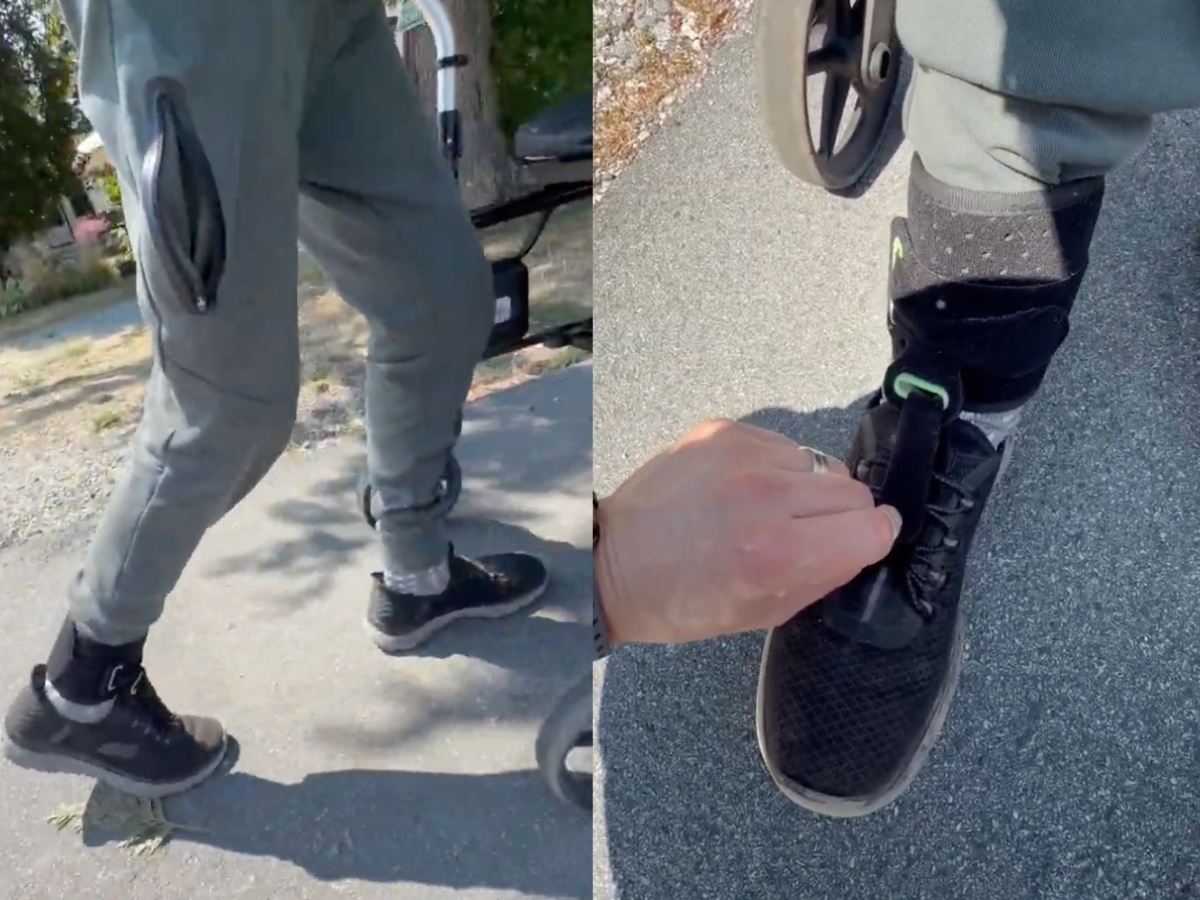
Learn how a dorsiflexion-assist brace may help with foot drop by improving toe clearance, supporting walking, and making everyday mobility easier.
Foot drop can make walking difficult and tiring. A person with foot drop may have trouble lifting the front of the foot, causing the toes to drag or catch on the floor. Some people compensate by lifting the knee higher, swinging the leg outward, or changing the way they walk.
These changes can affect balance, confidence, and everyday mobility. Fortunately, different rehabilitation strategies and supportive devices are available. One option is a lightweight dorsiflexion-assist brace that connects an ankle cuff to the shoe.
What Is Foot Drop?
Foot drop describes difficulty lifting the front of the foot toward the shin. This movement is called dorsiflexion and is needed to clear the toes from the ground as the leg swings forward.
Foot drop is a symptom rather than a medical diagnosis. It may be associated with a nerve injury, neurological condition, muscle weakness, spinal condition, or another underlying health issue. Because there are several possible causes, a professional assessment is important.
Common Signs of Foot Drop
A person experiencing foot drop may notice the toes dragging or catching while walking, difficulty clearing the foot from the floor, a slapping sound when the foot contacts the ground, lifting the knee unusually high when taking a step, swinging the leg outward to avoid catching the toes, increased effort or fatigue when walking, or reduced confidence on stairs or uneven surfaces.
These symptoms should be assessed by an appropriate healthcare professional, especially when they begin suddenly or are getting worse.
What Is a Dorsiflexion-Assist Brace?
The device demonstrated in our video is a soft foot-drop support. It includes a cuff worn around the lower leg and a strap that attaches to the laces or fastening system of a suitable shoe.
The strap provides gentle upward assistance to the front of the foot. This may help the toes clear the ground during the swing phase of walking.
Unlike a rigid ankle-foot orthosis, this design is lightweight and may fit with certain everyday shoes. However, it is not appropriate for every person or every type of foot drop.
Potential Benefits
When properly selected and fitted, a dorsiflexion-assist brace may improve clearance of the toes during walking, reduce dragging or catching of the foot, support a smoother walking pattern, decrease the need to lift the knee excessively, improve confidence during mobility, and make some daily activities easier.
The degree of benefit depends on the cause and severity of the foot drop, the person’s strength and balance, the condition of the skin, and the fit of both the brace and footwear.
How Is the Brace Applied?
Although designs vary, a soft foot-drop brace is generally applied in three steps. First, secure the cuff by placing the padded cuff around the lower leg, following the product and clinician’s instructions. It should feel secure without restricting circulation. Next, connect it to the shoe by attaching the support strap to the designated shoe fitting or laces. Finally, adjust the tension so the strap assists the foot without pulling excessively or causing discomfort.
Before walking, check that the device is secure and that the shoe fits properly. The user should not experience pinching, numbness, tingling, excessive pressure, or skin irritation.
Professional Assessment Is Important
A brace can support walking, but it does not address every possible cause of foot drop. A thorough assessment may include leg and ankle strength, joint movement, walking pattern, balance, sensation and skin integrity, footwear, functional goals, medical history, and possible causes.
Depending on the findings, treatment may also include strengthening, stretching, balance exercises, gait training, education, footwear recommendations, or referral for further medical investigation.
Some patients may require a different device, such as a more supportive ankle-foot orthosis.
Using a Foot-Drop Brace Safely
Have the device selected and fitted by a qualified professional and follow the manufacturer’s instructions. Wear appropriate, secure footwear, begin in a safe environment, and use your usual walking aid if prescribed. Check the skin after use, particularly when sensation is reduced. Do not continue using the brace if it causes pain, numbness, swelling, broken skin, or persistent redness. Have the fit reassessed if your symptoms, walking ability, or medical condition changes.
Seek urgent medical attention for sudden new weakness or foot drop, particularly when it occurs with facial weakness, speech difficulty, severe back pain, loss of bladder or bowel control, or other sudden neurological symptoms.
Foot-Drop Assessment in Your Home
Travelling to a clinic can be challenging when walking is already difficult. Fisiomed Mobile Clinic brings personalized assessment and rehabilitation directly to your home.
Our mobile approach allows us to evaluate your walking in the environment where you complete your daily activities. We can assess your mobility, review potential safety concerns, recommend suitable exercises, and help determine whether a foot-drop support may be appropriate.
Contact Fisiomed Mobile Clinic to arrange an in-home mobility assessment and learn more about personalized support for foot drop.
This article is intended for general education and does not replace an individual medical assessment, diagnosis, or treatment plan.
🌐 www.fisiomed.ca
📧 info@fisiomed.ca