
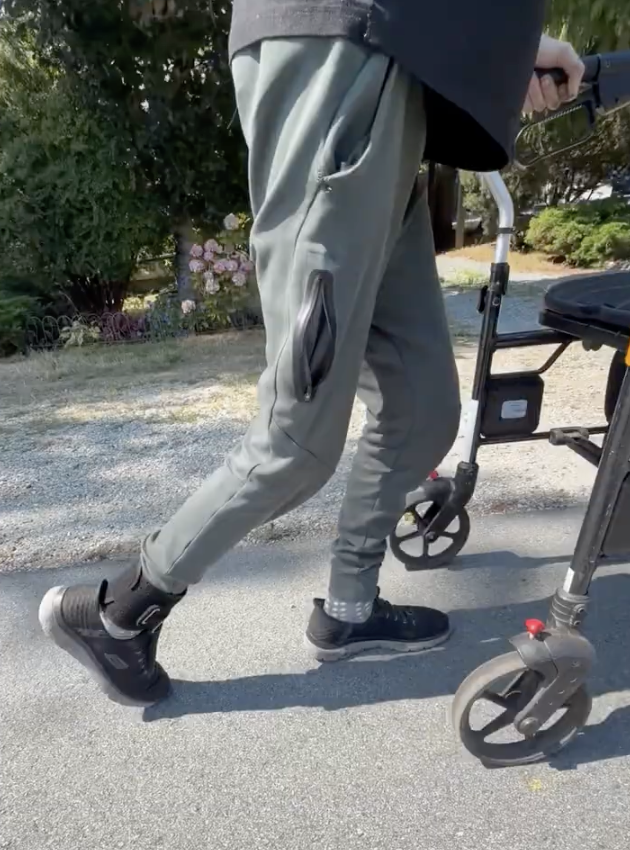
Exercise does not always need to happen in a gym. For many older adults, one of the most valuable forms of physical activity is also one of the simplest: going for a walk outside.
Walking is functional exercise. It uses the same strength, balance, coordination, and endurance needed for everyday activities. A regular walk can help older adults remain active, participate in their communities, and continue doing more of the things they enjoy.
For people who need additional support, a properly fitted four-wheeled walker can make outdoor walking more comfortable and manageable.
Why Is Walking Considered Functional Exercise?
Functional exercise helps the body perform activities used in daily life. Walking involves much more than moving the legs. It requires the body to:
- Maintain an upright posture
- Shift weight safely from one leg to the other
- Coordinate the legs and feet
- Adjust to changes in the walking surface
- Maintain balance while moving
- Build enough endurance to reach a destination and return safely
- Look ahead and respond to the surrounding environment
Practising these abilities through walking can support everyday tasks such as moving around the home, attending appointments, visiting friends, and going to local shops.
The Benefits of Walking Outside
Maintaining strength and endurance
Walking regularly engages the legs, hips, and core while also challenging the heart and lungs. This can help maintain the physical capacity needed for everyday mobility.
Practising real-world balance
Outdoor environments include gentle slopes, curbs, different surfaces, and changing surroundings. When appropriate for the individual, supervised practice in these conditions can help develop practical mobility skills.
Fresh air and a change of scenery
Time outside provides a break from the indoor routine. Pleasant surroundings can make physical activity feel more enjoyable and may encourage someone to walk for longer or participate more consistently.
Safe exposure to daylight
Daylight plays an important role in the body’s sleep-wake rhythm. Outdoor activity also provides an opportunity for sunlight exposure, although sun protection remains important. Vitamin D needs and supplementation should be discussed with a qualified healthcare professional rather than relying on sun exposure alone.
Confidence and social connection
Walking outside may create opportunities to greet neighbours, visit a park, or participate in the community. These experiences can support confidence and reduce the isolation that some older adults experience.
Supporting independence
Walking ability affects many areas of daily life. Maintaining mobility can make it easier to move around the home, attend appointments, complete errands, and participate in meaningful activities.
Walking with a Four-Wheeled Walker
A four-wheeled walker, sometimes called a rollator, can provide support for people who have reduced balance, endurance, or confidence.
Many models include hand brakes and a seat for resting. However, simply owning a walker does not guarantee safe use. The walker should be appropriate for the individual and adjusted to the correct height.
A healthcare professional can help with:
- Adjusting the handle height
- Teaching safe brake use
- Practising turns and changes of direction
- Managing curbs, slopes, and uneven surfaces
- Sitting down and standing up safely
- Selecting appropriate walking routes
- Developing strength and balance for safer mobility
The brakes should be locked before sitting on the walker, and the walker should never be used to transport someone while they are seated unless the device is specifically designed for that purpose.
Tips for a Safer Outdoor Walk
Before heading outside:
- Select a familiar, well-maintained route.
- Check the weather and avoid extreme heat, cold, smoke, or icy conditions.
- Wear secure, supportive footwear.
- Bring water when appropriate.
- Use sunscreen, protective clothing, and a hat on sunny days.
- Carry a phone or let someone know the planned route.
- Use prescribed glasses, hearing aids, and mobility devices.
- Avoid carrying loose items in your hands while controlling the walker.
- Begin with a manageable distance and include rest breaks.
- Walk with another person if confidence or balance is limited.
Stop and seek assistance if walking causes chest pain, severe shortness of breath, dizziness, sudden weakness, or unusual pain.
What If Getting Outside Has Become Difficult?
Some older adults stop walking outside after an illness, hospitalization, surgery, or fall. Others may experience weakness, pain, poor balance, fatigue, fear of falling, or uncertainty about using a mobility aid.
These challenges do not always mean that outdoor walking must end. With an appropriate assessment and a gradual plan, many people can work toward safer and more confident mobility.
Support may include:
- Leg and core strengthening
- Balance exercises
- Indoor and outdoor walking practice
- Endurance training
- Mobility-aid assessment and adjustment
- Fall-risk reduction
- Education for family members and caregivers
- A personalized home exercise program
Fisiomed Mobile Clinic Can Help
When getting to a clinic is difficult, care at home can be especially valuable. Fisiomed Mobile Clinic assesses mobility in the environment where daily activities actually take place.
We can help identify the factors making walking difficult, develop an individualized rehabilitation plan, and practise safe mobility inside and outside the home.
If you or someone you love is struggling to get outside and walk, contact Fisiomed Mobile Clinic. We are here to help you move with greater confidence, remain connected to your community, and work toward maintaining your independence.
This article provides general educational information and does not replace an individualized medical or rehabilitation assessment.
🌐 www.fisiomed.ca
📧 info@fisiomed.ca