
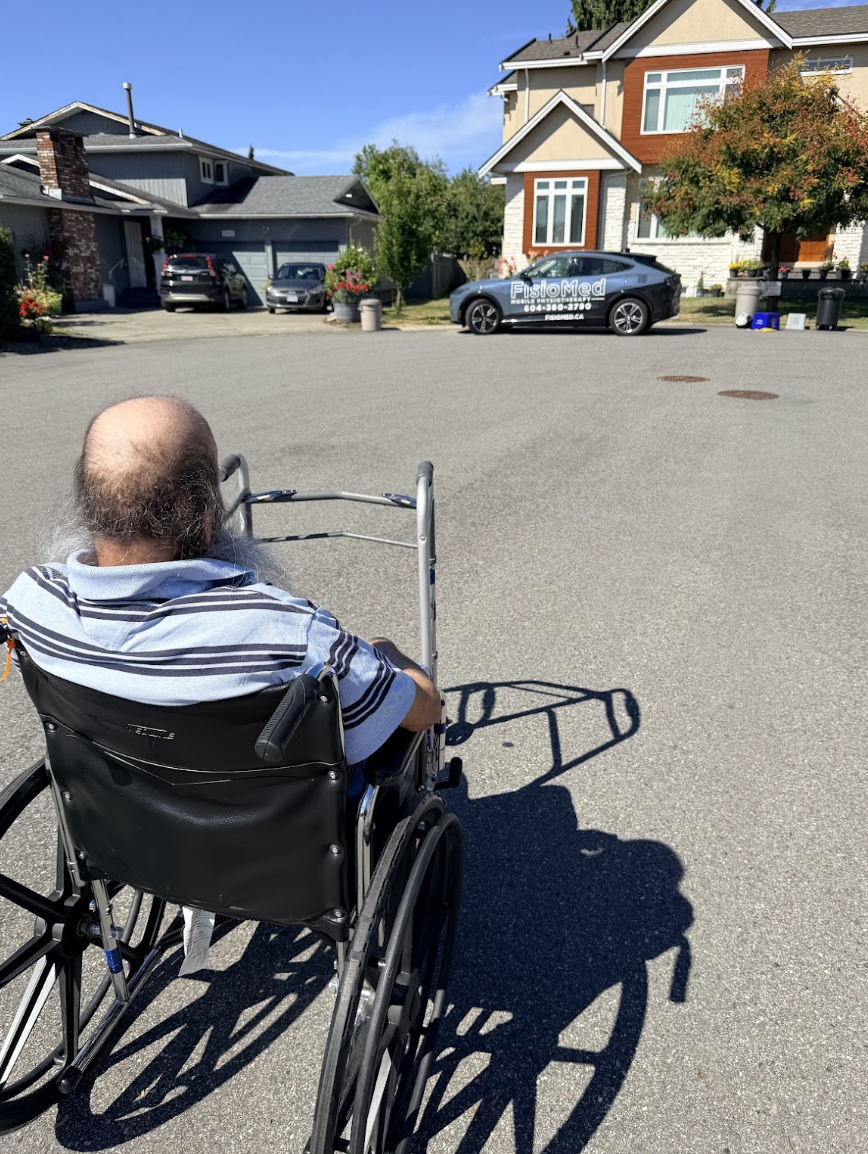
Going outside is often associated with walking or exercise. However, an older adult does not need to walk a long distance—or walk at all—to have a meaningful outdoor experience.
For someone with limited mobility, outdoor time might include a short walk with a two-wheeled walker, resting in a wheelchair, sitting in a garden, or visiting a nearby park with assistance.
The distance travelled is not the only measure of success. Comfort, participation, connection, and enjoyment matter too.
Outdoor Time Is for Everyone
Reduced walking ability can develop after an illness, hospitalization, injury, surgery, or period of inactivity. It may also be related to pain, weakness, poor balance, fatigue, neurological conditions, or fear of falling.
When walking becomes difficult, people may begin spending most of their time indoors. Unfortunately, this can reduce opportunities for movement, stimulation, social interaction, and participation in daily life.
Mobility aids such as wheelchairs and walkers are not signs of failure. When properly selected and used, they can help people access activities and environments that might otherwise be unavailable.
A Change of Scenery
Even a brief period outdoors can break up the daily routine. Natural surroundings, neighbourhood activity, and changes in light, sound, and temperature provide stimulation that is different from the indoor environment.
For someone who spends much of the day at home, sitting outside may become an enjoyable and meaningful part of the week.
Natural Daylight
Exposure to natural daylight helps the body recognize the difference between daytime and nighttime, supporting the sleep-wake cycle.
Outdoor daylight can be beneficial even when someone remains seated. Long or intense sun exposure is not necessary, and skin protection continues to be important.
Fresh Air and Sensory Engagement
Outdoor environments offer different sights, sounds, and sensations. A person may hear birds, feel a light breeze, see neighbours, or observe the changing seasons.
These experiences can promote engagement and provide opportunities for conversation, particularly for someone who has limited access to community activities.
Social Connection
Going outdoors may create opportunities to greet neighbours, spend time with family, or feel connected to the surrounding community.
An outing does not need to be long or complicated. Sitting outside with another person can be a valuable social experience.
Movement at the Person’s Own Level
Outdoor activity should match the individual’s abilities. It might include:
- Walking a short distance with a two-wheeled walker
- Standing briefly with appropriate support
- Practising a safe transfer
- Propelling a wheelchair when appropriate
- Performing seated movements
- Resting comfortably while enjoying the surroundings
A person may walk part of the way and use a wheelchair for the remainder. This combination can encourage activity while providing a safe option for rest.
The Value of Mobility Equipment
A wheelchair can conserve energy and allow a person to participate without being limited by walking distance. A two-wheeled walker may provide support during short periods of walking.
The most appropriate device depends on the person’s strength, balance, endurance, cognition, environment, and ability to use it safely. Mobility equipment should be professionally assessed and properly adjusted.
Planning a Safe Outdoor Experience
Consider the following before going outside:
- Choose a level, accessible route.
- Check for cracks, steep slopes, curbs, or other obstacles.
- Make sure the wheelchair or walker is in good condition.
- Wear secure, supportive footwear when walking.
- Check the weather and avoid extreme heat, cold, smoke, or icy conditions.
- Provide water and schedule rest breaks.
- Use sunscreen, protective clothing, and shade.
- Bring prescribed medications or mobility equipment when required.
- Ensure the person is supervised if they cannot move about safely alone.
- Stop if the person develops pain, dizziness, severe breathlessness, unusual fatigue, or distress.
For wheelchair users, pressure relief and comfortable positioning should also be considered.
Success Is Not Measured Only in Steps
It is easy to focus on distance, speed, or the number of steps completed. For an older adult with limited mobility, however, success may look different.
Success could mean:
- Agreeing to leave the house
- Completing a safe transfer
- Walking from the doorway to the garden
- Sitting outside for ten enjoyable minutes
- Participating in a family outing
- Feeling more confident using a mobility aid
- Returning home safely without excessive fatigue
Small achievements can still have a meaningful effect on confidence and quality of life.
If you or someone you love is struggling to get outside, Fisiomed Mobile Clinic can help identify the barriers.
We provide in-home assessment and rehabilitation that may include:
- Strength and balance exercises
- Transfer practice
- Indoor and outdoor walking
- Wheelchair and walker assessment
- Endurance-building activities
- Fall-risk reduction
- Caregiver education
- Planning safe and accessible outings
Our goal is not simply to count steps. It is to help each person participate in life at the level that is safe and meaningful for them.
Whether someone walks around the block or rests outside in a wheelchair, time outdoors can still be valuable.
Contact Fisiomed Mobile Clinic to arrange an in-home mobility assessment and receive support tailored to your needs.
This article provides general educational information and does not replace an individualized medical or rehabilitation assessment.
🌐 www.fisiomed.ca
📧 info@fisiomed.ca